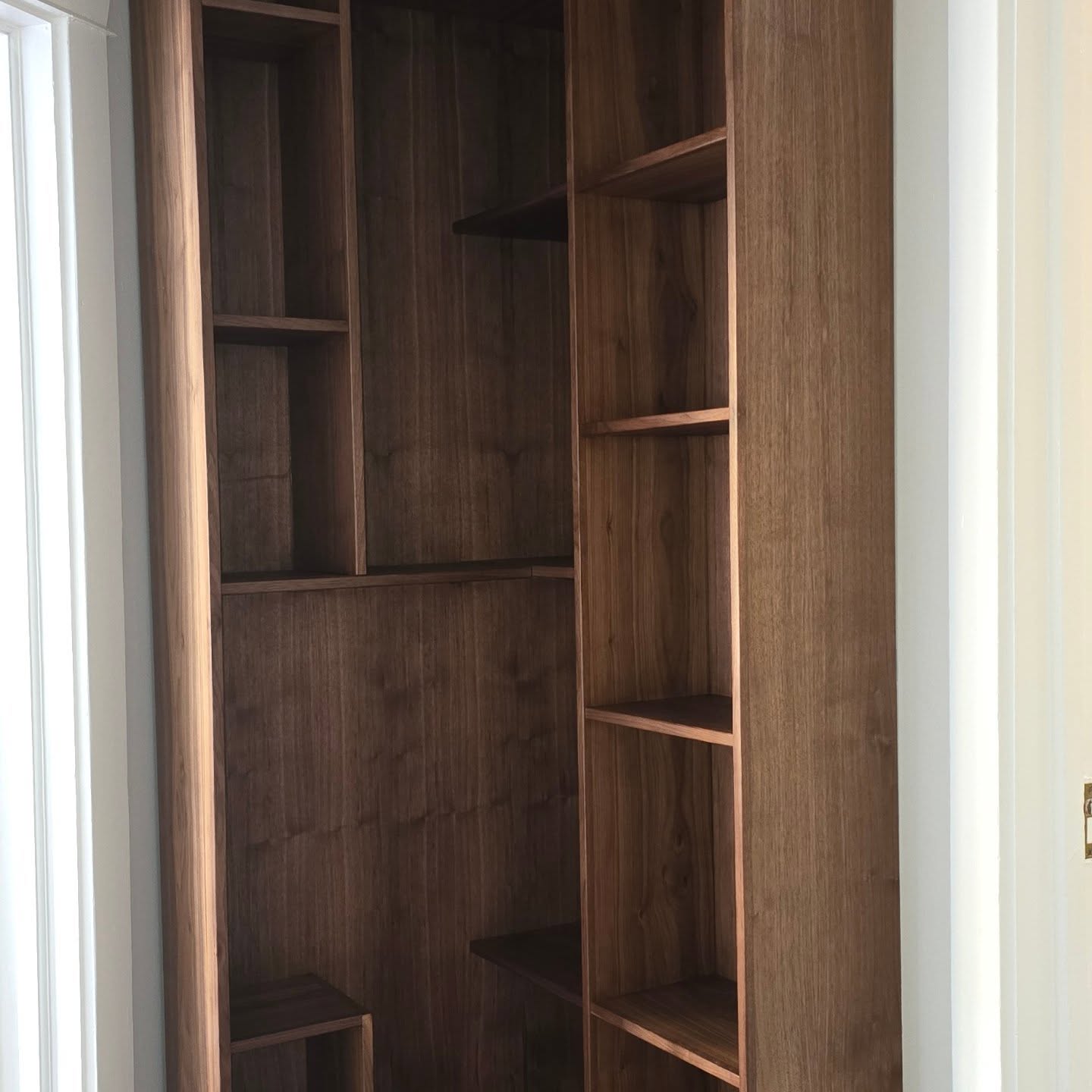
There’s a reason black walnut has been a favourite of furniture makers for centuries. The deep chocolate tones, the silky grain, the way it seems to glow under a dining room light — it’s a wood that genuinely earns the attention it gets. But like any natural material, black walnut needs a little care to stay looking its best over the long haul.
Whether your table came from our shop here in Innisfil or you inherited a walnut piece from a family member, this guide will walk you through everything you need to know about how to care for a black walnut dining table — from everyday cleaning habits to seasonal maintenance that keeps the wood healthy for decades.
Why Black Walnut Deserves Special Attention
Black walnut (Juglans nigra) is a hardwood, which means it’s dense, durable, and naturally resistant to dents and scratches compared to softer species. But hardwood doesn’t mean indestructible. Walnut is also notably more porous than some other hardwoods, which means it can absorb moisture, oils, and stains if left unprotected.
The good news? With a straightforward care routine, a walnut dining table can last multiple generations — and actually get more beautiful over time as the wood develops a natural patina.
The first step in walnut table care is understanding how your table was finished, because that determines almost everything about how you clean and maintain it.
Know Your Finish: Oil vs. Film Finishes
Most custom walnut dining tables are finished with one of two approaches:
- Oil or wax finishes (such as hardwax oil, tung oil, or Danish oil) penetrate the wood and leave a natural, matte appearance. These finishes require periodic re-application but are easy to spot-repair.
- Film finishes (such as polyurethane, lacquer, or conversion varnish) sit on top of the wood and create a harder, more protective barrier. These are more water-resistant but can be harder to repair if they chip or scratch.
If you’re not sure which finish was used on your table, check with whoever made or sold it. If you purchased a custom piece from us, feel free to reach out — we’re always happy to answer finish questions for our clients.
Everyday Dining Table Cleaning Tips
Daily care is where good habits make the biggest difference. The goal is simple: keep moisture and debris from sitting on the surface for any length of time.
Wipe Up Spills Immediately
This is the single most important rule of dining table cleaning. Water rings, wine stains, and food spills are all far easier to deal with the moment they happen than after they’ve had time to penetrate the finish or soak into the wood fibers.
Use a clean, dry — or very slightly damp — cloth to blot (not wipe or rub) the spill. Rubbing can spread the liquid or push it deeper into the grain. A gentle blotting motion lifts the spill cleanly.
Use the Right Cleaning Products
For regular wiping and cleaning, less is almost always more. Here’s what to reach for:
- Mild dish soap diluted in warm water — a few drops in a bowl of water is all you need for general cleaning. Dampen a soft cloth, wring it out thoroughly so it’s just barely moist, and wipe in the direction of the grain.
- Microfiber cloths — these are gentle on the finish and effective at lifting dust and residue without scratching.
What to Avoid
Just as important as what to use is what to keep away from your walnut table:
- Harsh chemical cleaners — products with bleach, ammonia, or strong solvents can strip finish and discolour the wood.
- Silicone-based furniture sprays — products like Pledge may seem helpful but can build up over time and actually make the surface harder to refinish down the road.
- Steam cleaners — the heat and moisture combination is a surefire way to raise the grain and damage the finish.
- Abrasive scrubbers — even a rough paper towel can leave micro-scratches on an oil-finished surface.
Seasonal Wood Furniture Maintenance
Wood moves. That’s not a flaw — it’s one of the things that makes solid wood furniture alive in a way that veneers and composites simply aren’t. But that movement (expansion in humid months, contraction in dry months) does mean your walnut table needs a little seasonal attention.
Managing Humidity
The ideal relative humidity for a solid wood dining table is between 40% and 55%. Here in Central Ontario, that range can be a real challenge — our winters are notoriously dry once the furnace kicks on, and summers can be sticky and humid.
A few practical steps to help:
- Use a humidifier in winter to prevent the table from drying out and cracking along the grain.
- Use an air conditioner or dehumidifier in summer if your home gets particularly humid.
- Avoid placing your table directly over a heating vent or register, and keep it away from radiators, fireplaces, and exterior walls that get cold.
Re-oiling an Oil-Finished Table
If your walnut table has an oil or hardwax finish, one of the most important parts of wood furniture maintenance is periodic re-oiling. How often depends on use — a busy family table might need it once or twice a year, while a more lightly used piece might only need attention every couple of years.
Here’s a simple process:
- Clean the surface thoroughly and let it dry completely.
- Apply a thin, even coat of the appropriate finishing oil using a lint-free cloth, working in the direction of the grain.
- Let it soak in for 15–20 minutes, then buff off any excess with a clean cloth.
- Allow the surface to cure for 24 hours before using the table again.
Always check with your furniture maker about which oil product is recommended for your specific finish — not all oils are compatible with every type of finish.
Protecting the Surface
A few simple habits can dramatically reduce wear over time:
- Use placemats and coasters, especially for hot dishes and drinks. Heat can cause finish lifting and white rings, and even a well-protected walnut table benefits from that extra layer of protection.
- Use felt pads on the bottom of anything that sits on the table long-term — table runners, centrepieces, lamps.
- Avoid direct, prolonged sunlight on the table surface. UV exposure can cause uneven colour change in walnut over time. If your dining room gets a lot of direct sun, a UV-filtering window film is worth considering.
Dealing with Scratches and Rings
Even with the best care, life happens. Scratches, water rings, and small dents are a normal part of living with a wood dining table — and most of them are repairable without professional help.
Minor Scratches
For light surface scratches on an oil-finished table, a fresh application of finishing oil rubbed into the scratch can often make it nearly disappear. For deeper scratches on a film finish, a small amount of clear paste wax buffed in can reduce their visibility.
Water Rings
A white ring typically means moisture has gotten trapped under or within the finish layer. For oil-finished tables, re-applying finishing oil to the area often helps. For film-finished tables, a small amount of non-gel toothpaste or fine (0000) steel wool used very gently can sometimes reduce the ring.
When in doubt — or if the damage is significant — it’s always better to consult a professional than to risk making it worse. Get in touch with our team if you’re unsure about how to approach a repair on a piece you love.
When to Call in a Professional
Most walnut table care can be handled at home with the right products and a little attention. But there are situations where professional refinishing or repair is the right call:
- Deep gouges or cracks that go below the finish into the wood
- Significant finish peeling, bubbling, or clouding across a large area
- Severe water damage or warping
- A finish that has worn completely away in high-use areas
Refinishing a walnut table — when done properly — can essentially restore it to like-new condition. It’s one of the real advantages of solid wood over composite alternatives.
If you’re in the Innisfil or Barrie area and you have questions about a walnut piece that needs some love, we’d be glad to take a look. Contact Black Barrel Wood Co. to talk through your options.
A Table Built to Last
Knowing how to care for a black walnut dining table isn’t complicated, but it does require consistency. Keep moisture off the surface, clean gently and regularly, manage the humidity in your home through the seasons, and give the finish a little love when it needs it. Do those things, and a well-made walnut table will reward you with decades — realistically, generations — of daily use.
Solid wood furniture isn’t just a purchase. It’s something that can genuinely be passed down. And there’s something pretty special about a dining table that gets more beautiful every year it’s used.
Ready to start your own project?
Every piece is built to order in our Innisfil, Ontario studio. Reach out to discuss your vision.
Start a Project